

TA courses
Effectiveness of Craniosacral Therapy in the Suboccipital Region for Hamstring Flexibility: A Meta-Analysis
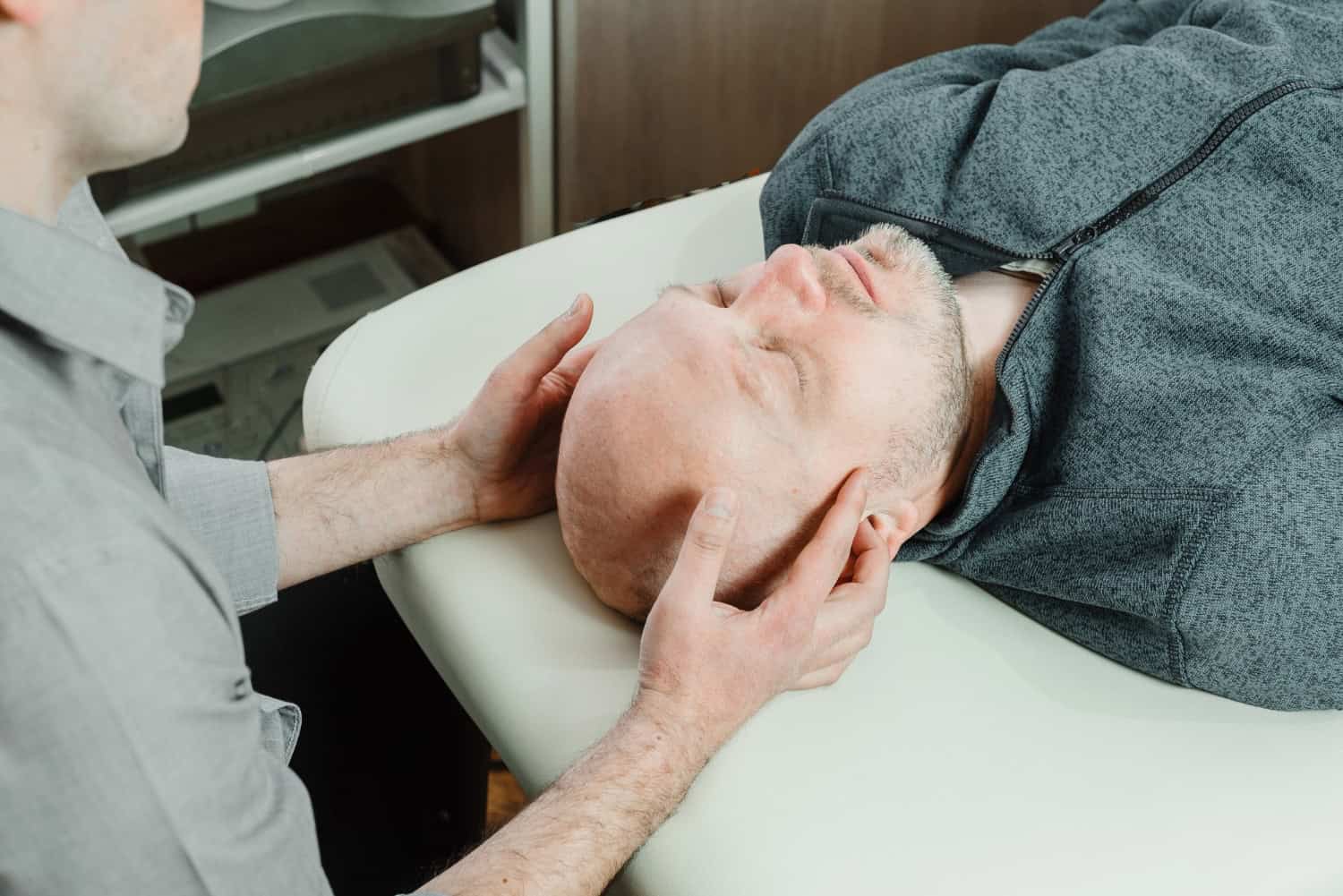
Effectiveness of Craniosacral Therapy in the Suboccipital Region for Hamstring Flexibility:
A Meta-Analysis
Background
Craniosacral therapy (CST) has sparked debate in musculoskeletal healthcare due to mixed evidence regarding its efficacy. CST, particularly when applied to the suboccipital region, is believed to have broader impacts on musculoskeletal health by addressing fascial restrictions and improving cerebrospinal fluid (CSF) dynamics. This meta-analysis evaluates CST’s effectiveness in improving hamstring flexibility, focusing on its application in treating short hamstring syndrome (SHS).
Methods
A systematic review was conducted using databases such as Cochrane Library, PubMed, and Google Scholar. Studies involving adult participants with SHS were included, focusing on outcomes measured through the Straight Leg Raise (SLR) test. Data from randomised controlled trials (RCTs) and controlled clinical trials (CCTs) were analysed using RevMan 5.3 software, with methodological quality assessed via the Newcastle-Ottawa Scale.
Results
Five studies, comprising 238 participants, met the inclusion criteria. CST significantly improved hamstring flexibility, with a mean difference (MD) of −9.47 (95% CI: −15.82 to −3.12, P < 0.000001) in post-treatment SLR scores. Additionally, CST outperformed the proprioceptive neuromuscular facilitation (PNF) technique, with an MD of 3.09 (95% CI: 1.48–4.70, P = 0.0002). Sensitivity analyses identified variations in treatment frequency and practitioner skill as key factors influencing outcomes.
Mechanisms of Action
CST appears to influence hamstring flexibility indirectly by targeting the suboccipital muscles, which are connected to the spinal dura mater via the myodural bridge complex (MDBC). This anatomical link affects the tension in distant muscle groups, such as the hamstrings. By alleviating restrictions in the suboccipital region, CST may enhance CSF flow, reduce muscle tension, and improve overall mobility.
Comparative Efficacy
While direct techniques like PNF focus on stretching the hamstrings, CST adopts a holistic approach. This meta-analysis suggests that CST provides more consistent improvements in hamstring flexibility and may address underlying factors contributing to chronic tension.
Clinical Implications
The findings support CST as a viable, non-invasive alternative for treating SHS. Its holistic approach could benefit patients who do not respond to traditional therapies. However, standardisation in treatment protocols is necessary to ensure consistency and reliability.
Limitations
The limited number of studies and variability in treatment protocols highlight the need for further large-scale research. Future studies should focus on standardised interventions and long-term effects to strengthen the evidence base.
Conclusion
Craniosacral therapy in the suboccipital region demonstrates significant effectiveness in improving hamstring flexibility. By targeting interconnected anatomical structures, CST offers a promising approach to treating musculoskeletal conditions like SHS.