

TA courses
Understanding Craniosacral Therapy: A Gentle Introduction

Understanding Craniosacral Therapy:
A Gentle Introduction
As a seasoned practitioner of Craniosacral Therapy (CST), I am delighted to introduce you to this gentle yet profound form of healing and wellness.
CST is renowned for its calming effects, often leading to restful sleep.
While some find it mysterious, it essentially engages with a rhythmic system at the core of our physiology – the craniosacral rhythm that moves between our head and spinal cord.
This rhythm is as vital and measurable as our breath and heartbeat. https://pubmed.ncbi.nlm.nih.gov/33992252/ (Direct measurement of the rhythmic motions of the human head identifies a third rhythm) CranioSacral Rhythm.
Craniosacral Therapy works with the rhythm of the craniosacral system, where the skull bones subtly move to accommodate its pulse.
Just as cardiologists focus on optimising the cardiovascular system, CST practitioners aim to evaluate and enhance the craniosacral rhythm.
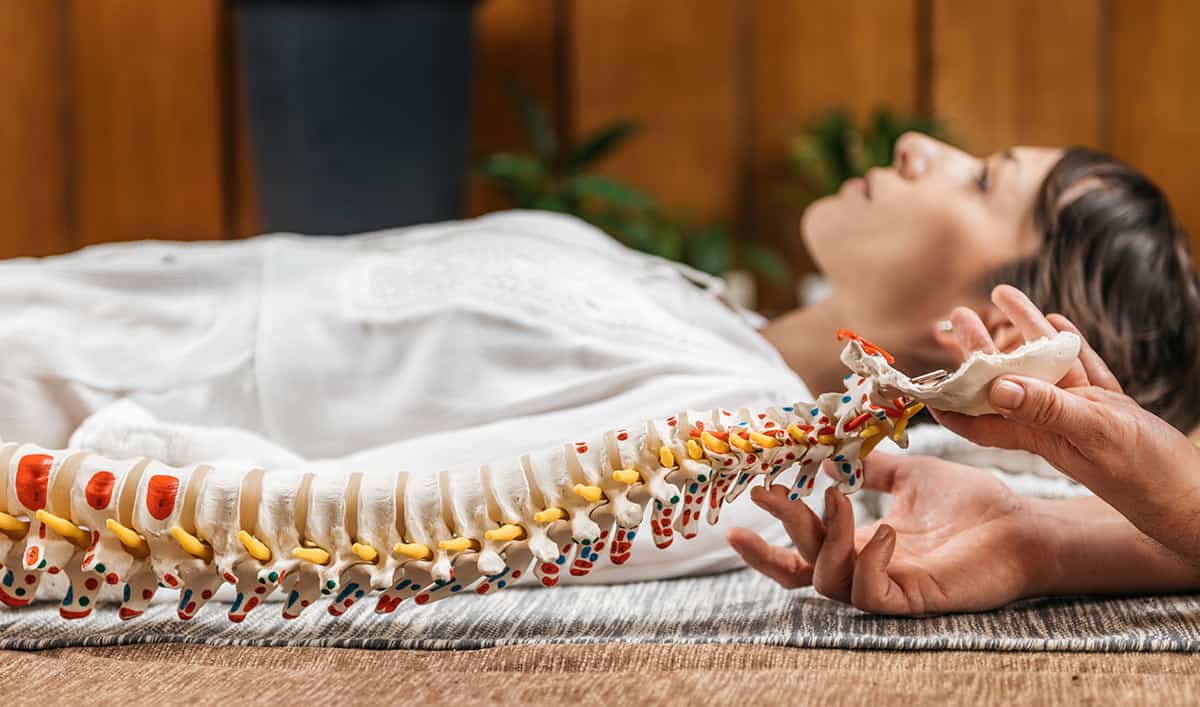
Employing a gentle and intuitive approach, this form of bodywork involves applying light finger and hand pressure on the cranial bones, sacrum, and their involuntary movements.

The Journey of Craniosacral Therapy
CST’s origins can be traced back to the early 20th century when William Sutherland, while studying osteopathy, discovered that skull bones could move, a notion then considered unconventional.
His visionary work laid the foundation for cranial osteopathy. Later, in 1975, Dr John Upledger made significant strides by elucidating why skull bones move and openly discussing the cranial rhythm.
He founded the Upledger Institute in Florida, which propelled CST into wider recognition. Upledger now operates in over 120 countries worldwide.
The therapy has since burgeoned, with diverse professionals, from Doctors, nurses, psychotherapists to physiotherapists, integrating it into their practice, highlighting its role as a preventive health measure.
How Craniosacral Therapy Operates
On a practical level, CST involves gentle palpation of the skull and pelvis bones, influencing deeper membranes and cerebrospinal fluids within the spinal canal, brain, and spinal cord.
This process is crucial as it ensures optimal circulation and fluid mobility, which, when hindered, can result in discomfort and symptoms. Even minor disruptions can impact this delicate system, but CST aids the body in restoring a seamless flow, alleviating symptoms.
CST also possesses a unique spiritual dimension. Beyond its physical benefits, it taps into a field of information and intelligence, often referred to as the ‘inner physician’.
This inner wisdom guides the therapist in understanding what needs to be addressed, making CST a potent combination of physiological practice and meditative insight.

What to Expect During a Session
In a CST session, communication can be verbal or non-verbal, using SER SomatoEmotional Release, allowing the body to express its needs.
You are encouraged to wear loose, comfortable clothing while lying on a treatment table.
The practitioner gently rests their hands along the body to assess the craniosacral rhythm, which can facilitate an energy shift.
Sessions typically last 45 to 60 minutes, where you may experience a sense of tranquillity and heightened awareness.
The goal is to work with such gentleness that the body itself initiates healing and adjustments.
A significant aspect of CST is the ‘still point’, a natural pause in the craniosacral rhythm that can occur and last for a few seconds to a few minutes.
These moments of deep relaxation allow you to let go and reconnect with yourself, often leading to insights and healing.
Efficacy and Acceptance of Craniosacral Therapy
While some medical professionals remain sceptical, substantial evidence supports CST’s effectiveness, with many experiencing remarkable improvements in just a few sessions.
It is important to note that CST is primarily a complementary treatment, rather than a standalone cure for serious conditions.
Its success is influenced by the nature of the issue, its connection to the nervous system, and the openness of the client.
Despite its relatively recent emergence, scientific research in osteopathic and dental journals supports CST.
However, broader acceptance may take time as more long-term studies are conducted.
Choosing a Craniosacral Therapist
With many professionals now offering CST, it is vital to verify their credentials. Therapists come from varied backgrounds, including dentistry, osteopathy, and massage therapy.
Ensuring your therapist has attended an accredited school and holds appropriate certification is crucial.
A good practitioner will work collaboratively with you and refer you to other specialists if necessary.
In conclusion, Craniosacral Therapy offers a unique and holistic approach to well-being, fostering a deep connection between body and mind.
Whether you’re seeking relaxation or support for specific concerns, CST could be a valuable part of your health journey.